
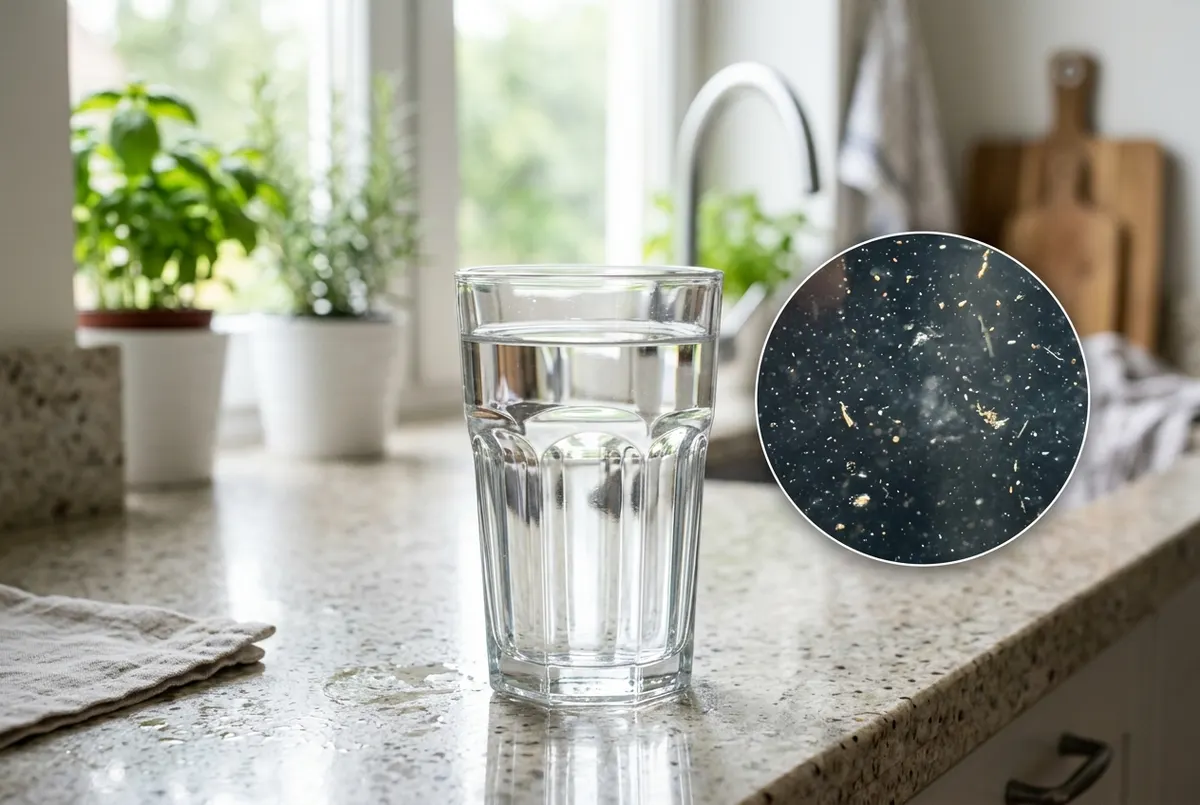
Clear Water Can Still Be Full of What You Can’t See
Clarity is the trap. Water can look perfectly clean and still carry dissolved heavy metals, chloramine, and PFAS — none of which change how it looks in the glass. The contaminants that matter most are the ones your eyes can’t flag, which is exactly why so many people assume their filter is working when it isn’t.
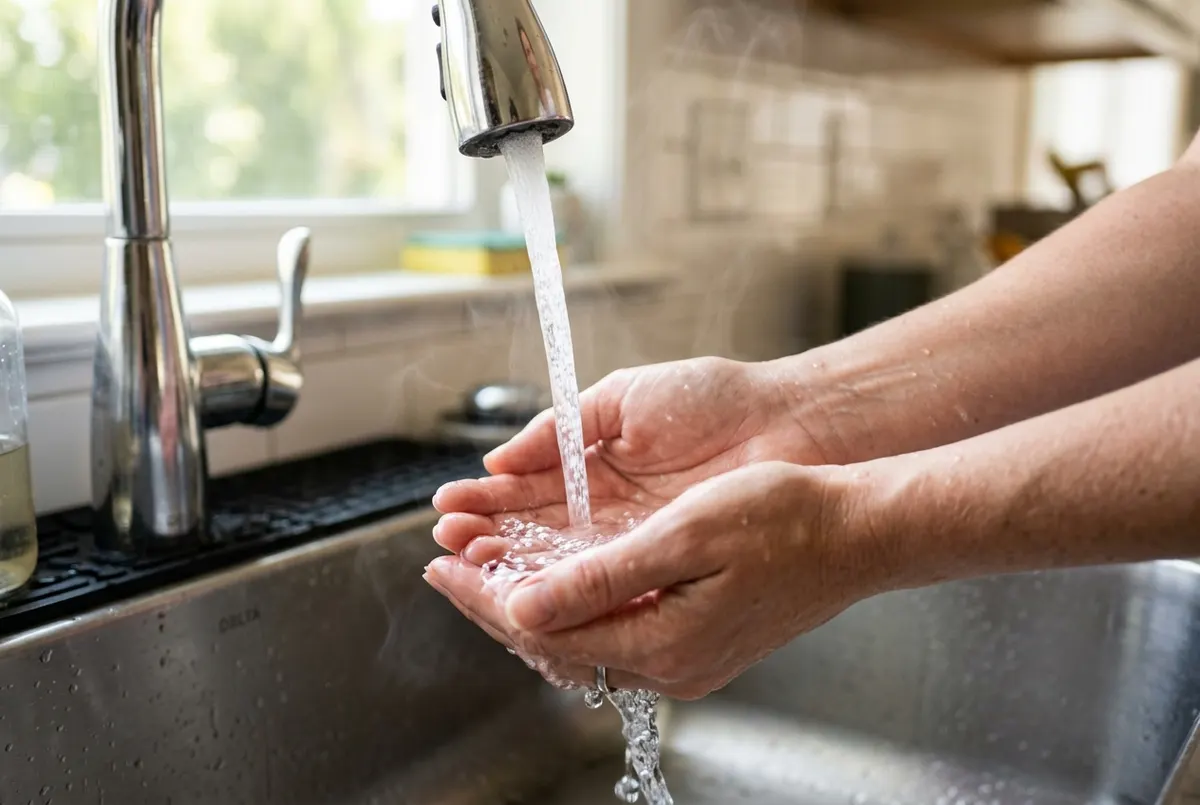
That Chlorine Smell Means the Easy Part Worked — Not the Hard Part
Chlorine is the contaminant filters are best at removing — a basic carbon block handles it. So when the smell disappears, people assume the whole job is done. But chlorine is the easiest catch in the water, and clearing it says nothing about the tougher contaminants sitting right behind it.
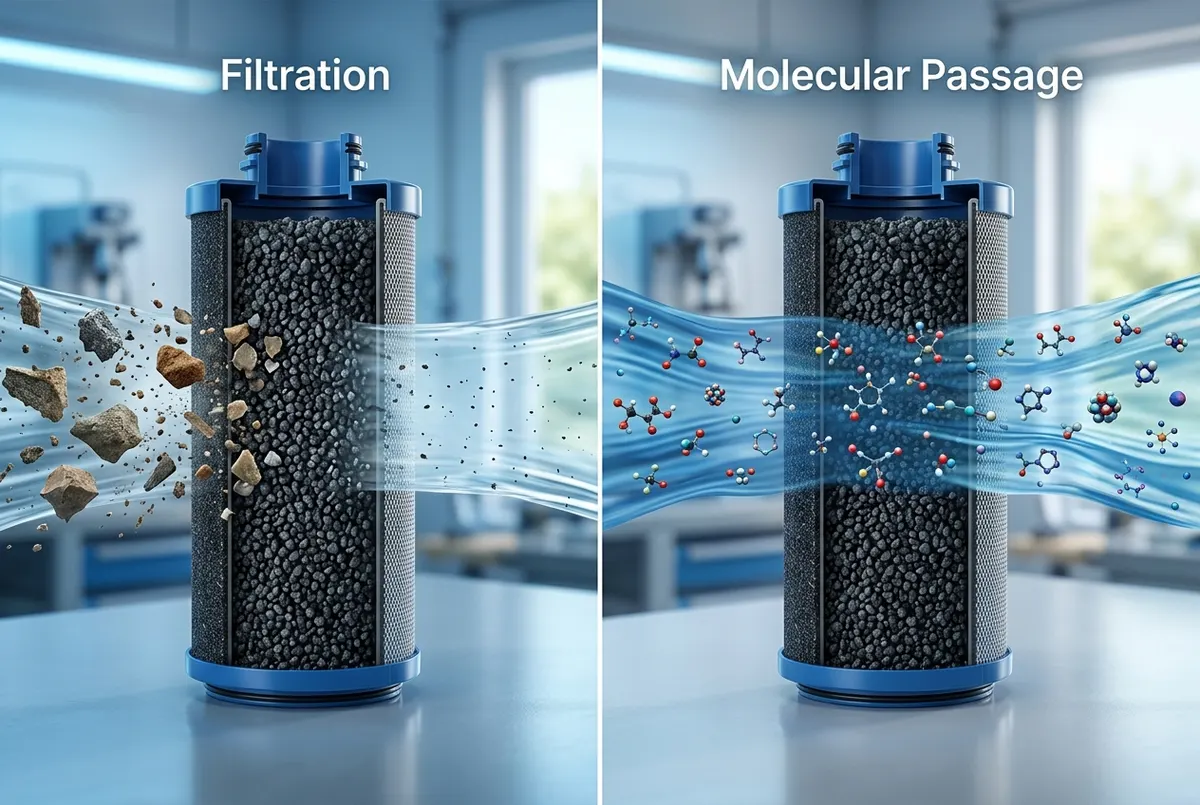
Chloramine Slips Past the Filters Built to Catch Chlorine
Many town water suppliers have switched from chlorine to chloramine — chlorine bonded with ammonia, which lasts far longer in the pipes. The problem: it’s much harder to remove, and a standard carbon filter built for chlorine often lets most of it straight through. A filter that clears chlorine can still leave chloramine untouched.
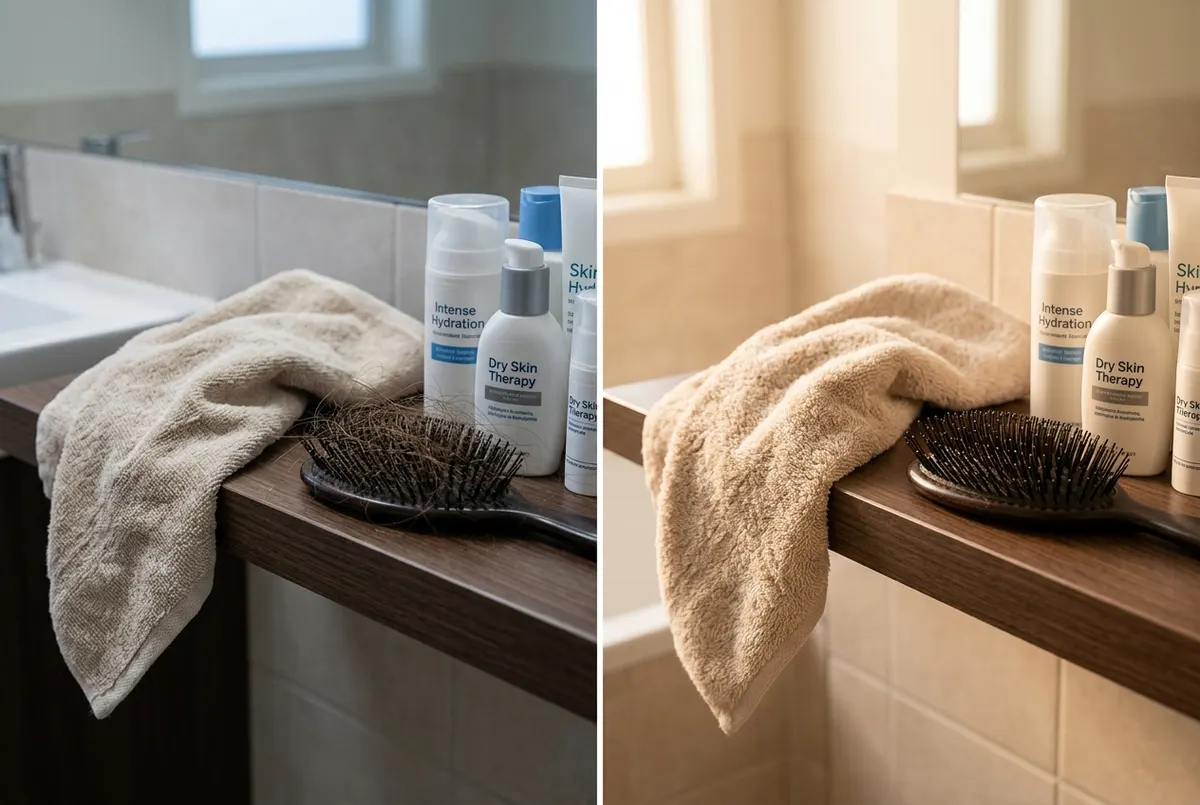
Your Skin and Hair Feel the Difference Before Any Test Does
Before: skin tight and dry after a shower, hair dull and brittle, a faint chemical edge on the towels. After: the same shower leaving skin calmer and hair softer, the harsh residue gone. Chlorine and chloramine strip natural oils from skin and hair. If your filter only covers the kitchen, your shower is doing you no favours at all.

Filtering at the Sink Leaves Every Shower and Tap Unprotected
A benchtop jug or under-sink unit cleans exactly one tap. Every other water entry point in the home — the shower you breathe steam in, the bath, the laundry, the garden tap you fill the dog’s bowl from — stays completely unfiltered. Point-of-use filtration protects a single glass; it does nothing for the water your whole house actually runs on.
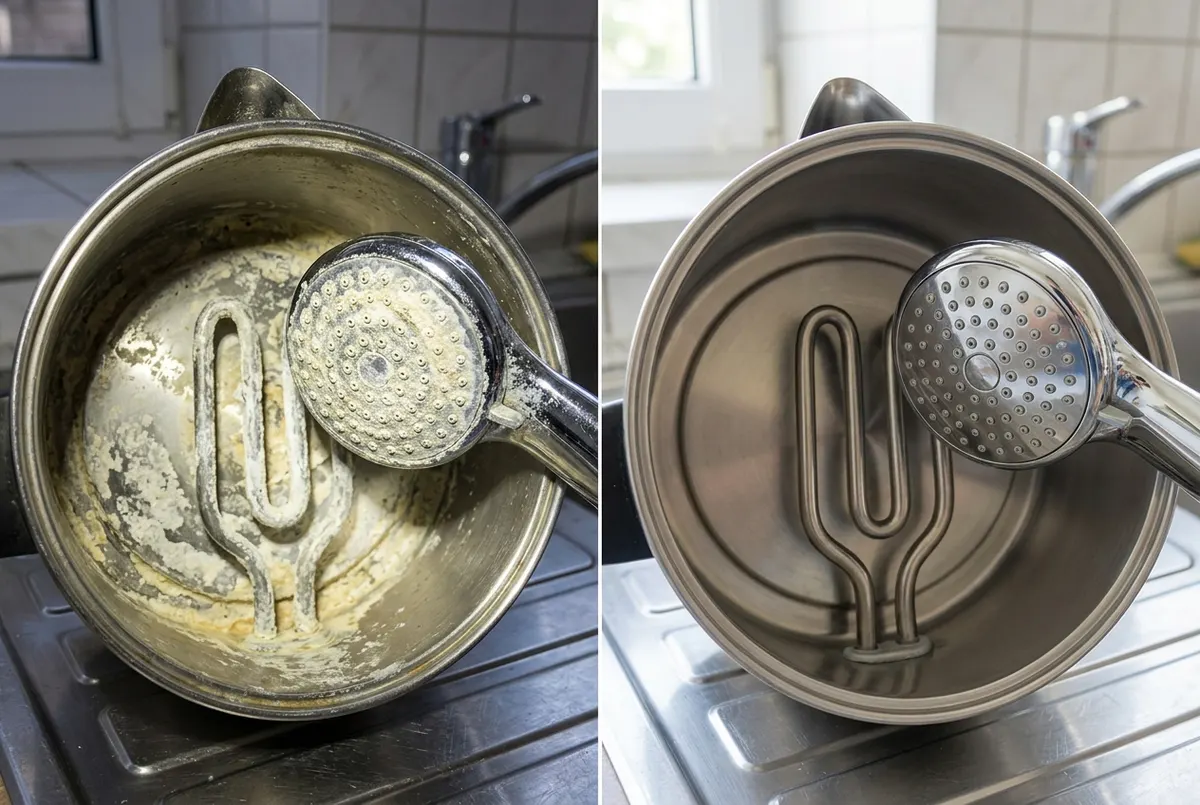
Scale Is Quietly Shortening Your Appliances’ Lives
Hard water leaves scale — that chalky white buildup — inside your kettle, dishwasher, washing machine, and hot water system. It coats heating elements, forces appliances to work harder, and quietly cuts years off their lifespan. A filter that only sits on the kitchen bench never touches the water feeding those machines.
Whole-house filtration protects the appliances a benchtop unit was never plumbed to reach — which is where the real cost of unfiltered water adds up.

PFAS Don’t Announce Themselves — And Most Filters Don’t Catch Them
PFAS — sometimes called “forever chemicals” because they barely break down — have turned up in water supplies across the country. They have no taste, no smell, and no colour. Removing them takes specialised filtration, and most basic setups aren’t built to reduce PFAS or PFOA at all, meaning they pass straight through a filter their owner trusts.

Heavy Metals Build Up Long Before You’d Ever Taste Them
Lead, copper, and other heavy metals can leach in from old pipes and fittings in trace amounts — far too small to taste or see, but they accumulate in the body over time. This is a job for filtration that actually targets metals, not just a carbon block. Waiting until you can taste a problem means the filtering already failed.
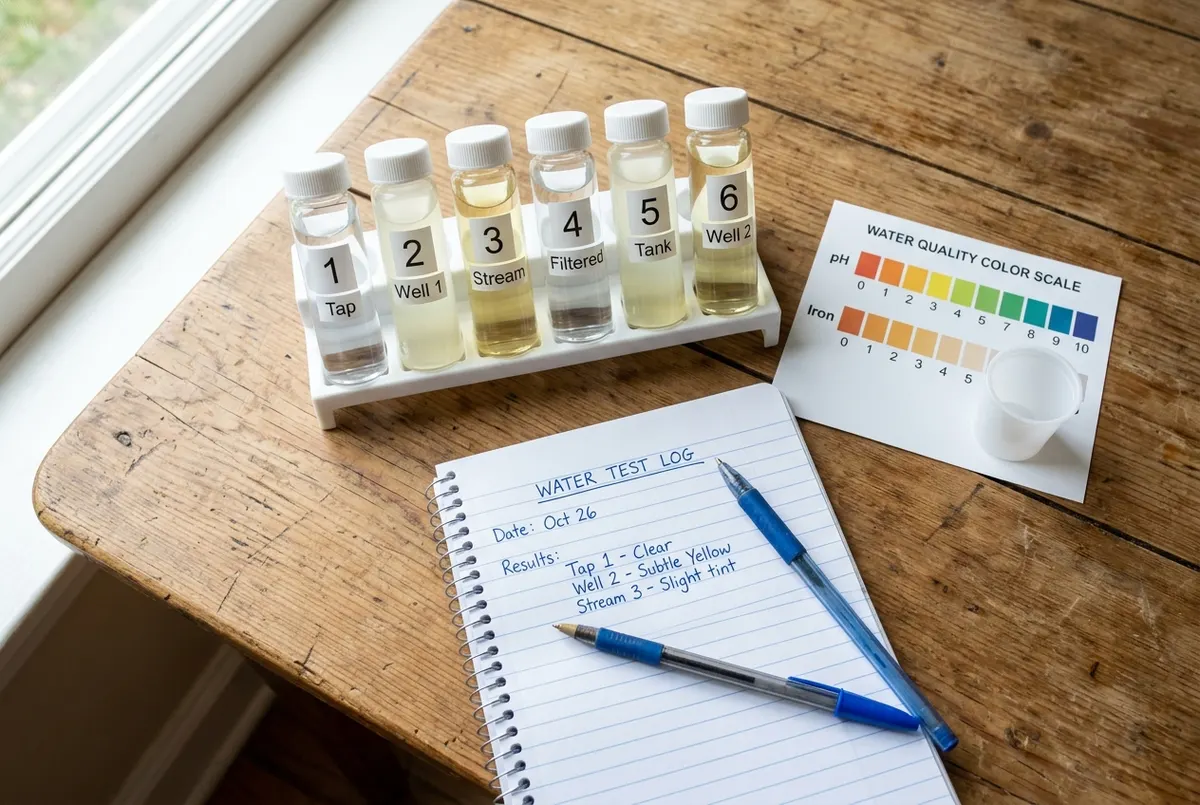
One Filter Can’t Match Water You’ve Never Tested
Water quality is local. A home on chlorinated town water has a completely different profile from one on tank, bore, or rainwater — different contaminants, different concentrations. A single one-size-fits-all filter can’t be right for all of them. The most common mistake is buying a filter before knowing what’s actually in your supply, then wondering why the water still feels off.
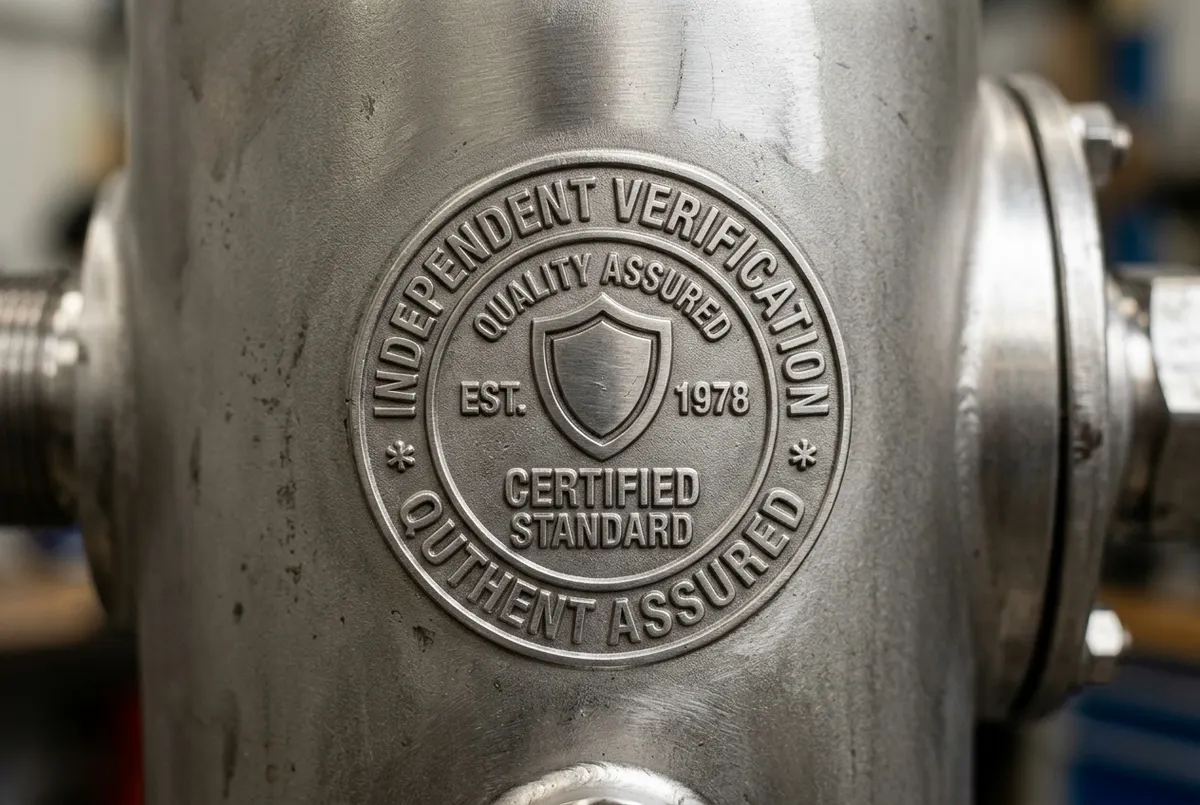
A Certification Badge Tells You What It Was Actually Tested to Remove
Any filter can claim to “purify” water. Independent certification — like an Australian Watermark mark, verified by a body that isn’t the manufacturer — is the difference between a marketing word and a tested result. It names exactly which contaminants a filter was proven to reduce. Without it, you’re trusting a promise; with it, you’re trusting a test.
Meet AlkaWay Whole House Filters
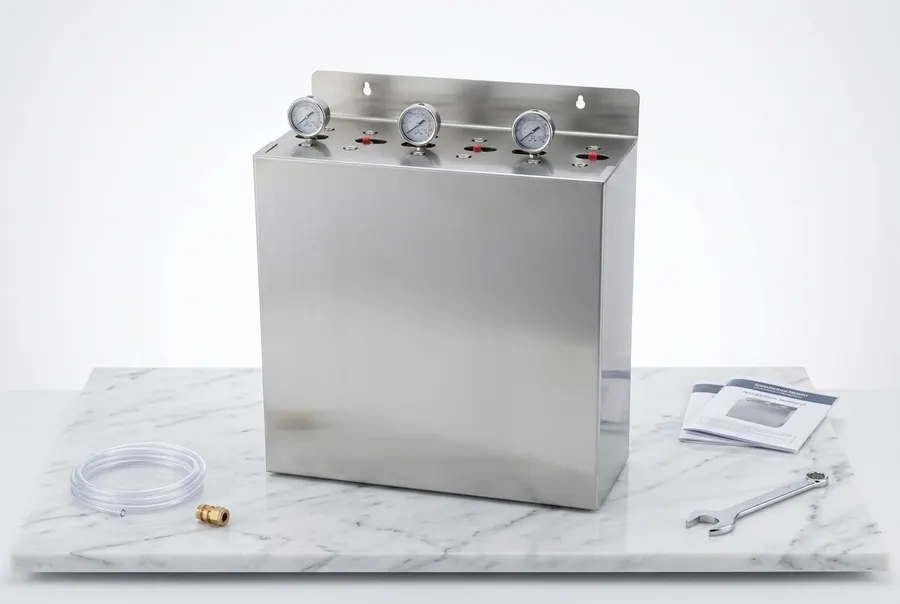 All these signs point to one solution: filtration at the pipe, matched
That’s what AlkaWay Whole House Filters do. They treat water at every entry point — kitchen, showers, laundry, garden — so chlorine, chloramine, bacteria, viruses, heavy metals, sediment, and PFAS are handled before the water reaches a single tap.
And because no two supplies are the same, there are five distinct models — Natural, Absolute, Defender, Optimal, and more — so the filter suits your water instead of guessing at it. All NSF certified, so the removal claims are tested, not just printed. Protection for your family’s health and your appliances, in one system.
Reaching reason #10 means one thing: you’re truly serious about water safety.
AlkaWay ships free across Australia on orders over $300.
Every whole-house model clears that easily.
Special deal for a limited time only!
This limited-time deal is in high demand and stock keeps selling out.