
Walk into a supermarket and water is no longer just water. It may be spring water, mineral water, purified water, alkaline water, sparkling water or water collected from a glacier that apparently has a better travel history than most of us.
The original Zonia article identifies ten common types of drinking water and asks which is best. It is a useful question, but the answer is not simply the water with the prettiest bottle or highest price.
Let’s look at the ten choices—and then decide what makes sense for everyday drinking.
1. Tap water
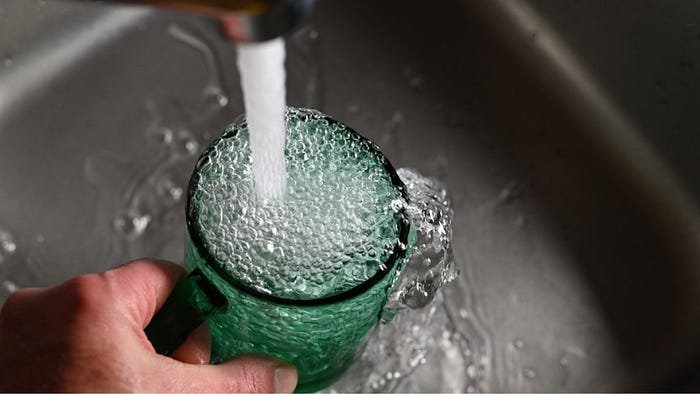
Australian town water is treated and monitored against the Australian Drinking Water Guidelines. This makes it microbiologically safer than many untreated water sources.
However, treatment does not mean the water will taste wonderful. Chlorine or chloramine may remain because the water must stay disinfected while travelling through kilometres of pipework. Sediment, metals from plumbing and location-specific contaminants may also be concerns.
Tap water is inexpensive and convenient. For many households, it is also the ideal starting point—provided it is put through an appropriate filter before drinking.
2. Well, bore or rainwater
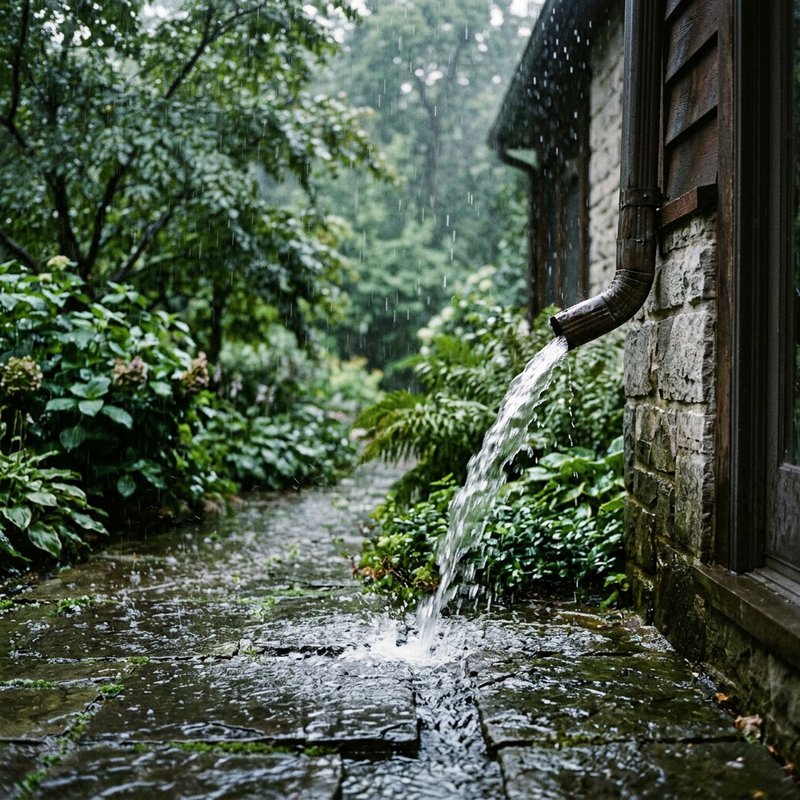
Private water can taste beautifully natural, but “natural” is not another word for “tested.” Bore water may contain minerals, nitrates, metals or microorganisms. Rainwater can collect dirt, animal droppings and other material from roofs and gutters.
NSW Health says a properly maintained rainwater system can provide good-quality drinking water, but the catchment, tank and plumbing must be maintained. Private supplies should be tested so the treatment system can be chosen for the actual water—not for what someone hopes might be in it.
3. Filtered water
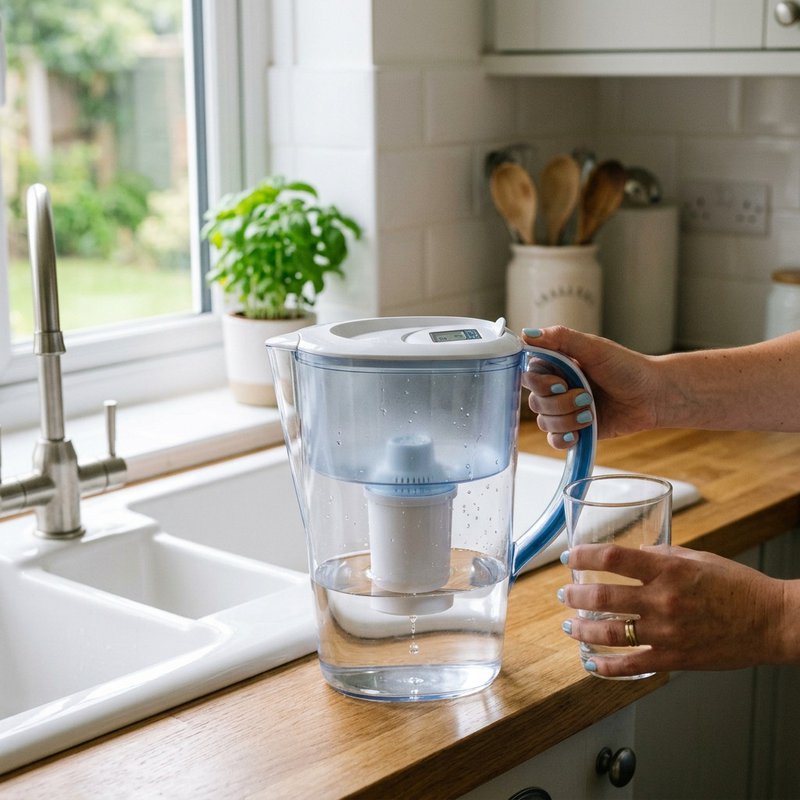
Filtered water is usually tap or private-source water passed through one or more filtration media. Basic activated carbon can reduce chlorine, taste and odour. More advanced filters may also target fluoride, chloramine, heavy metals, pesticides, PFAS, microplastics and microorganisms.
But the word “filtered” tells you very little by itself. A supermarket jug and a multi-stage filter are both allowed into the same linguistic paddock, despite doing very different jobs.
Always look at the media, test results, flow rate and cartridge capacity.
4. Purified water

Purified water normally undergoes more intensive treatment, such as reverse osmosis, distillation or deionisation. These processes can remove a very wide range of dissolved substances and are valuable when the source water has specific contamination problems.
The disadvantage is that broad purification may also remove calcium, magnesium and other naturally occurring minerals. Reverse osmosis can waste water, and both RO and distillation require energy, equipment or storage.
Very pure water has important medical, industrial and emergency uses. That does not automatically make it the best everyday drinking water for every household.
5. Spring or glacier water

Spring water has passed naturally through rock and soil and may contain useful minerals. Glacier water sounds even more pristine—especially when accompanied by a mountain on the label.
But neither source is automatically free from contamination. Water can be affected by the surrounding environment, collection, processing, storage and packaging. If it is sold in a plastic bottle and transported across the country—or the planet—it also carries a financial and environmental cost.
Buy it because you like the tested product and taste, not because the word “glacier” has performed a small marketing miracle.
6. Alkaline water

Natural alkaline water acquires minerals such as calcium and magnesium through contact with rock. These minerals raise its pH and usually improve its taste.
Alkaline water should not be confused with extremely high-pH water produced by turning an electric ioniser to maximum. A higher number is not always better. Regularly drinking water above pH 10 may cause digestive discomfort and interfere with normal stomach acidity in some people.
My preference is gently mineralised alkaline water rather than water pushed to an impressive but unnecessary extreme.
7. Hydrogen water

Hydrogen water is water containing dissolved molecular hydrogen gas—H₂. It is rather like sparkling water containing carbon dioxide, except the dissolved gas is hydrogen.
Scientific interest has grown because molecular hydrogen may influence oxidative stress and inflammatory signalling. A 2024 systematic review found encouraging results in several areas but also emphasised the need for larger and more rigorous studies.
Hydrogen water should therefore be presented as promising, not miraculous. It is also worth remembering that hydrogen water and alkaline water are different things. Water may contain hydrogen without having a high pH, and it may be alkaline without containing much measurable hydrogen.
8. Distilled water
Distillation boils water, collects the steam and condenses it back into liquid. This removes microorganisms and many dissolved substances, including most minerals.
Contrary to a popular internet story, distilled water does not simply pull minerals from your teeth. Most essential minerals come from food. Nevertheless, demineralised water can taste flat, and the World Health Organization has examined whether calcium and magnesium should be restored when water is artificially demineralised.
Distilled water is useful for appliances, laboratories and certain special applications. It would not be my first choice for normal daily hydration.
9. Mineral water
Mineral water naturally contains dissolved minerals, commonly including calcium and magnesium. Many people enjoy its taste, and drinking water can contribute modestly to mineral intake.
The drawbacks are price, bottles and transport. You can obtain most required minerals from a good diet, so there is no need to purchase expensive bottled mineral water simply because it wears a sophisticated European label.
10. Sparkling water
Sparkling water contains dissolved carbon dioxide, giving it bubbles and mild acidity. Plain sparkling water without sugar can contribute to hydration just as still water does.
Its greatest advantage may be simple: some people enjoy it and therefore drink more water. Check flavoured versions for sugar, acids and additives, because they can turn innocent water into a soft drink wearing activewear.
So which water is best? We ultimately favour purified water, with hydrogen water as a promising runner-up. I would adjust that conclusion.
The best everyday water should be clean, pleasant to drink, affordable, readily available and supported by credible filtration data. Ideally, it should retain or supply a sensible balance of natural minerals. Molecular hydrogen is an interesting additional quality, provided the claim is measurable and not surrounded by miracle language.
That is why I favour the AlkaWay UltraStream for Australian town water. It starts with convenient tap water, filters a broad range of unwanted contaminants, reduces chlorine and fluoride, and adds beneficial alkaline minerals. Depending on the incoming water and flow, it can produce gently alkaline water up to approximately pH 9 and add dissolved molecular hydrogen.
It does this without electricity, without wasting water down the drain and without stripping everything out before trying to put a few minerals back.
No single water is perfect for every source or every person. Untreated private water may require testing and additional protection. People with kidney disease or medically prescribed mineral restrictions should seek professional advice before substantially changing their water intake.
For most households, however, the sensible goal is not the purest-sounding water, the highest pH or the most distant spring.
It is well-filtered, naturally mineralised water that tastes good enough to make you want to drink it every day.