
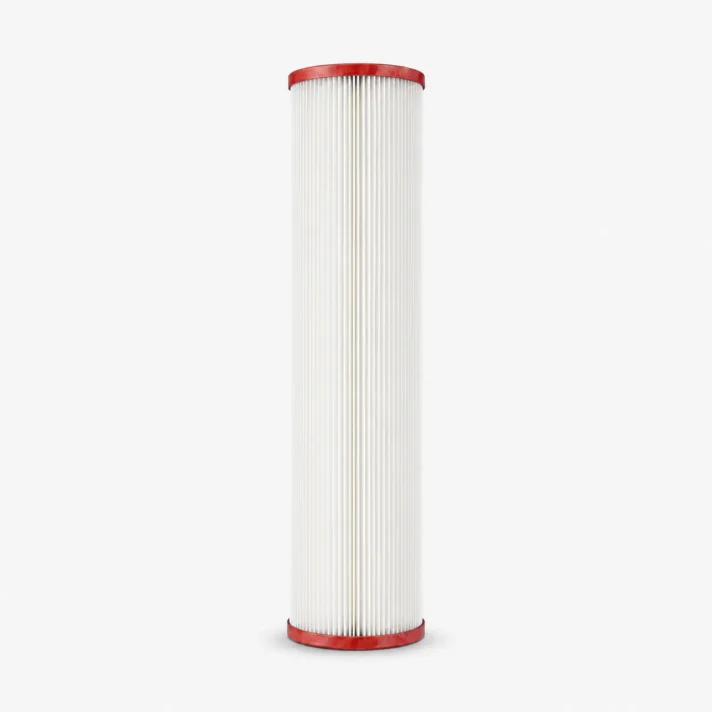


Sediment Filter Comparison
| Filter Type | Micron Rating | Filtration Precision | What It Removes | Key Differences |
|---|---|---|---|---|
| Sediment Filter 10µm Nominal | 10 microns (nominal) | Moderate (nominal) | Larger particles like sand, silt, dirt, rust | Removes bigger particles; some smaller particles may pass through |
| Sediment Filter 5µm Nominal | 5 microns (nominal) | Finer than 10µm, moderate | Medium-sized particles like fine sand, silt, rust | Traps smaller particles than 10µm but still nominal (not absolute) |
| Sediment Filter 1µm Nominal | 1 micron (nominal) | Fine, but less precise than absolute | Very fine particles such as sand, silt, dirt, rust | Removes very fine particles but some smaller than 1µm may pass |
| Sediment Filter 1µm Absolute | 1 micron (absolute) | Very precise, reliable | All particles 1 micron and larger | Guaranteed removal of all particles above 1µm; highest filtration accuracy |
Summary of Differences:
-
Micron Size: The smaller the micron rating, the finer the particles the filter can remove.
-
Nominal vs. Absolute:
-
Nominal filters remove a majority but not all particles at the stated size — some smaller particles may slip through.
-
Absolute filters provide a strict, guaranteed cut-off, capturing all particles above the micron rating.
-
-
Usage: Larger micron filters (10µm, 5µm) are good for pre-filtration to protect finer filters downstream. The 1µm absolute filter is ideal when very fine filtration is needed to protect sensitive equipment or for high water clarity.

Works