
Most bottles chart a big peak number but deliver a fraction of the actual dose — here’s how to read past the marketing to what your body absorbs.
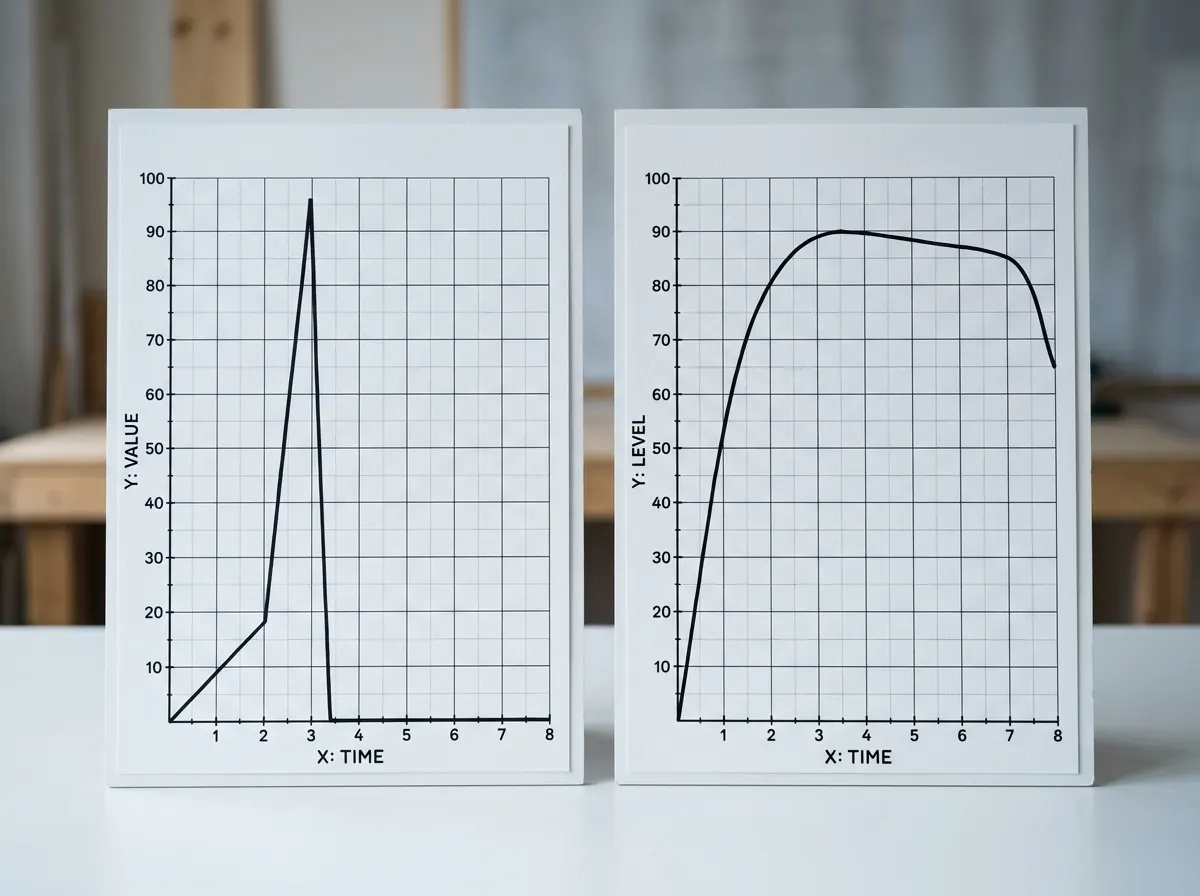 📊 Dose over hype1
That Big PPB Number Isn’t the Dose Your Body Gets
Here’s the trick most bottles play: they chart a huge peak PPB number for a split second, then it collapses. What actually matters is the dissolved hydrogen dose in milligrams — the amount that stays in the water long enough for you to drink it. Entry-level bottles land around 0.2–0.5 mg. A serious one clears 0.9 mg. Same category, wildly different dose.
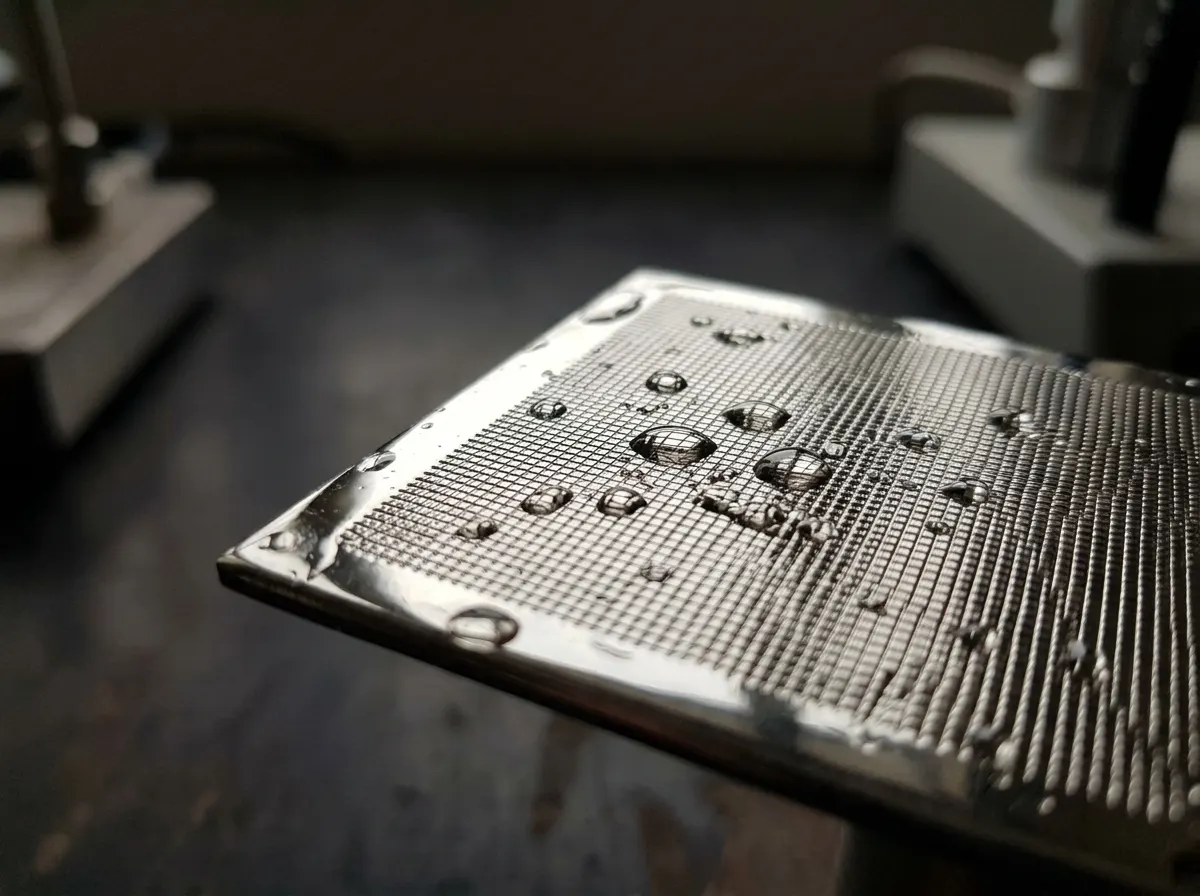 🛡️ No metal leaching2
Cheaper Electrodes Can Leach Metal Into Every Sip
The part that makes hydrogen is the electrode, and this is where corners get cut. Cheap plates can shed trace metals straight into your water over time. The safe build uses platinum-coated titanium — platinum doesn’t react with water, so nothing sketchy dissolves into your glass. It costs more to make, which is exactly why budget bottles skip it.
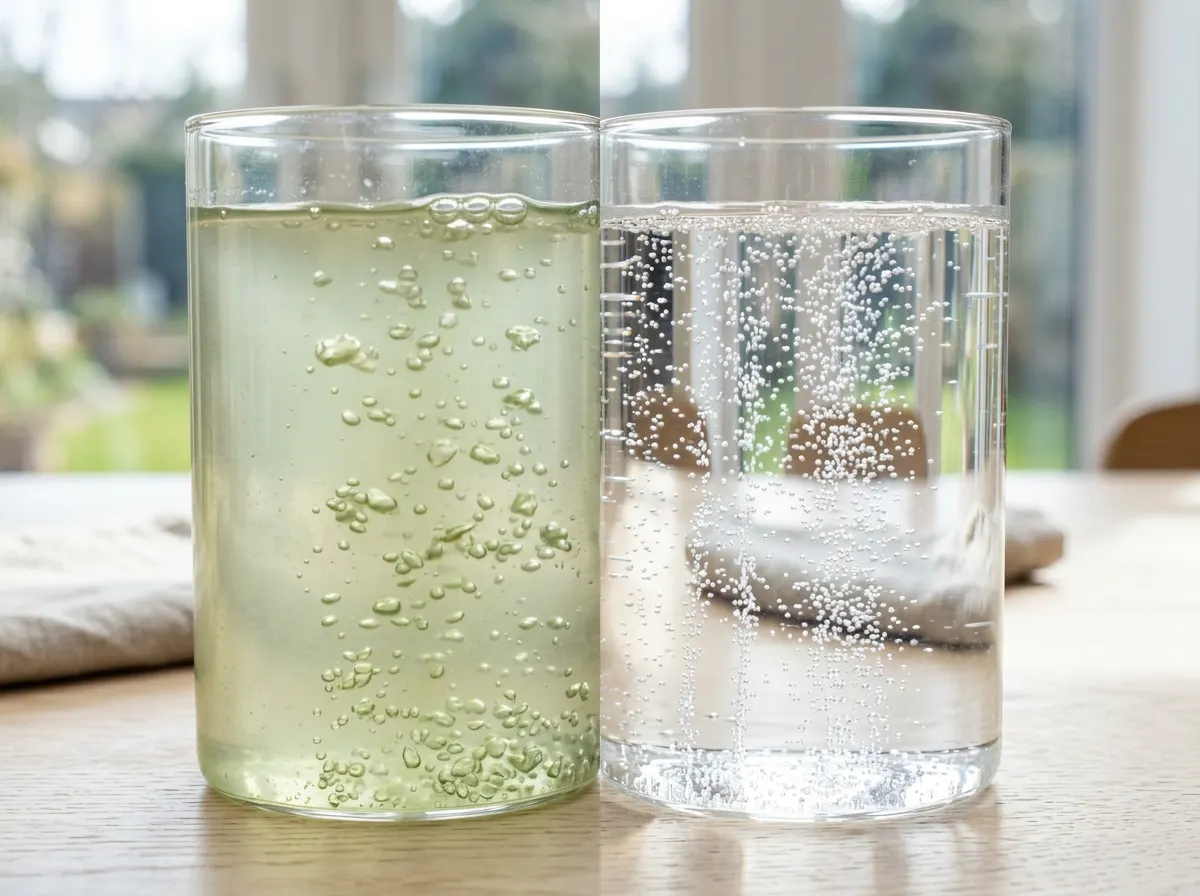 💧 Vents, not adds3
You’re Probably Drinking Ozone and Chlorine Too
Splitting water makes ozone and chlorine as byproducts. Most bottles leave them in. You sip the gases you were trying to avoid. The better designs separate and vent those gases out instead of dumping them back into your drink — that’s the difference between clean hydrogen water and a chemistry experiment.
 ⚡ Beat the 3pm dip4
A Weak Dose Means You Feel Nothing by 3pm
If you’re 25–34 and bought a hydrogen bottle hoping to shake off that afternoon slump, a weak dose is why you felt nothing. Molecular hydrogen is being studied for antioxidant support and general wellbeing. A fraction of a milligram barely registers. People who report clearer heads and less mid-day drag are getting a full dose — not chasing a peak that vanishes before they drink.
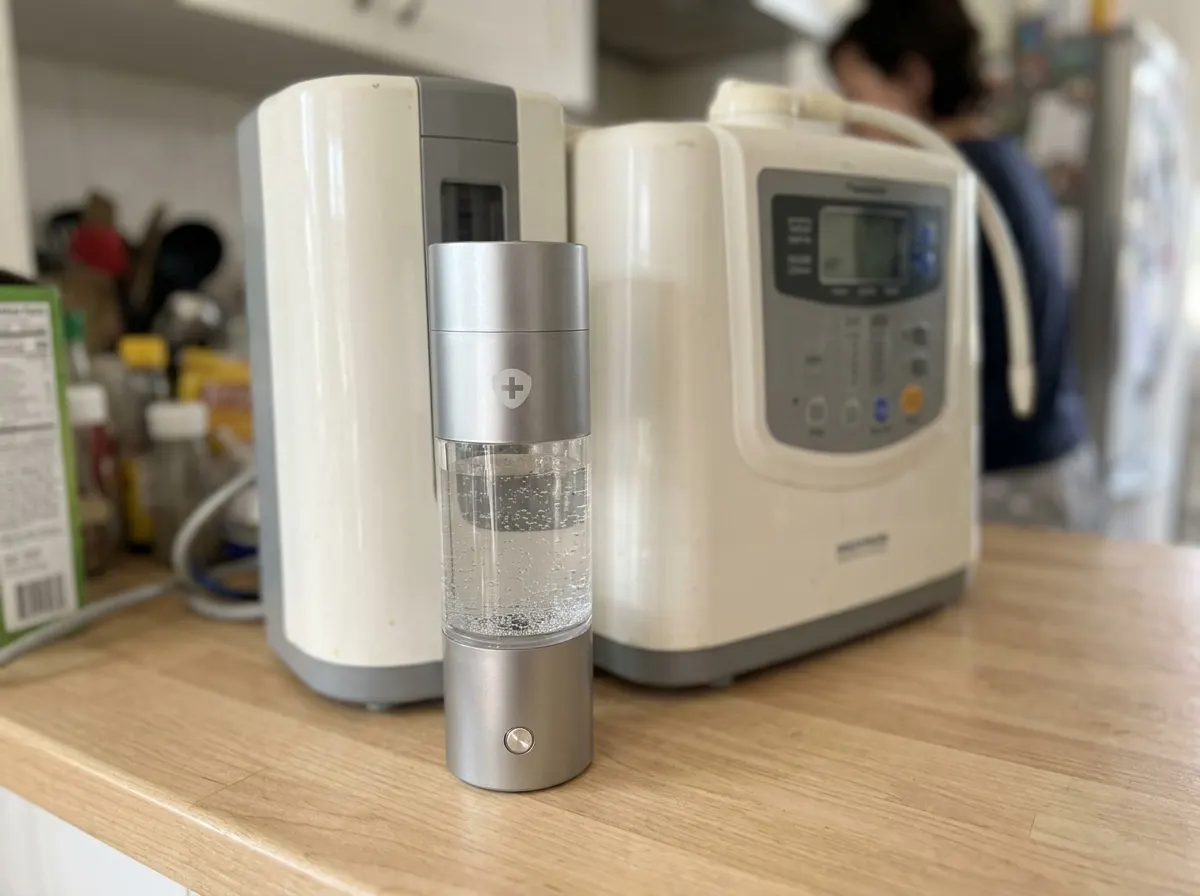 🎒 Hydrogen anywhere5
The $5,000 Countertop Machine Never Leaves Your Kitchen
The old way was a stationary ionizer that costs $5,000 and up — bolted to your counter, useless the moment you walk out the door. Not portable. A portable 350ml bottle puts the same fresh-on-demand hydrogen in your bag. You make it wherever you are instead of paying a fortune to stay tethered to one sink.
 🔋 All-day charge6
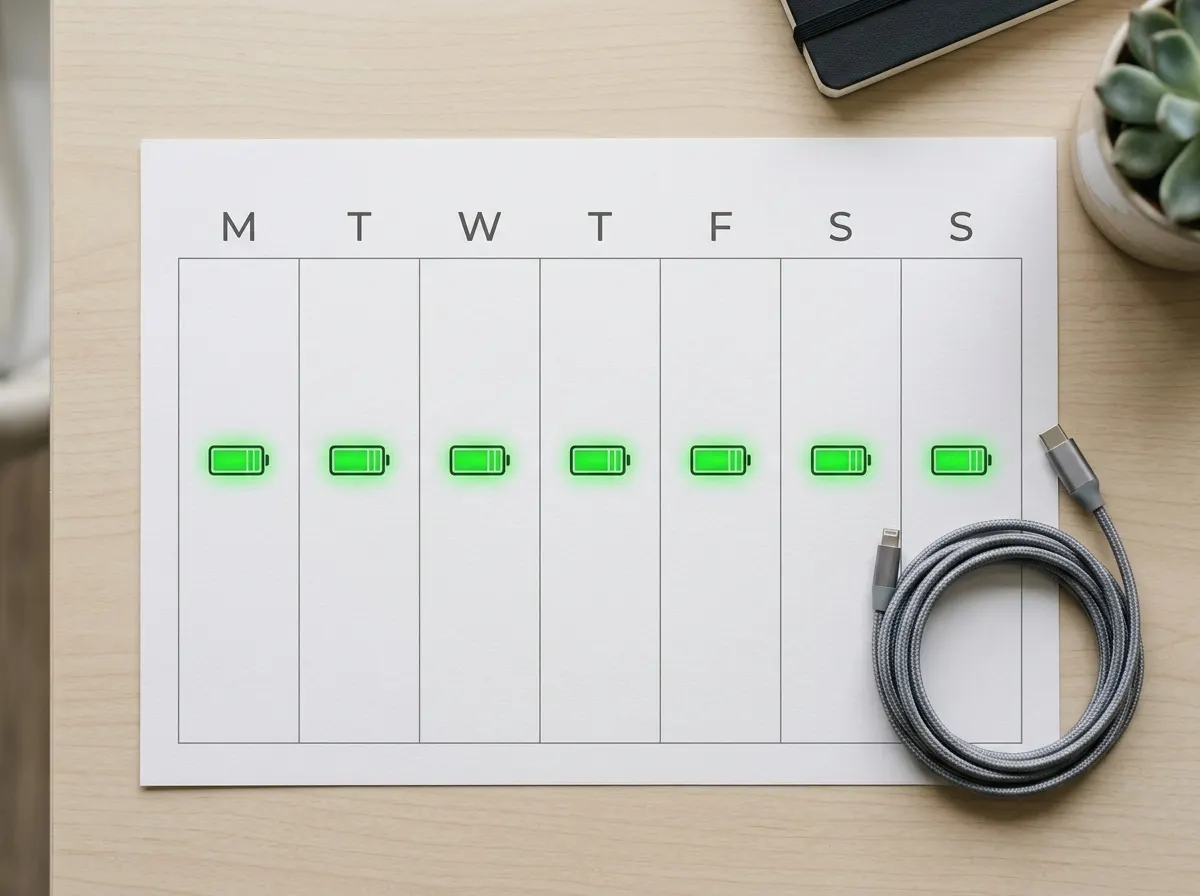
One Charge Should Cover Your Whole Day
Battery life is the quiet dealbreaker nobody checks until it’s too late. A bottle that dies after a couple of cycles becomes a shelf ornament by Wednesday. The realistic bar is around 15 cycles per charge on USB-C — enough for morning, gym, and afternoon without hunting for an outlet. That’s the line between a daily habit and expensive clutter.
 🔬 Certified, not hyped7
The Science Is Newer Than the Hype Suggests
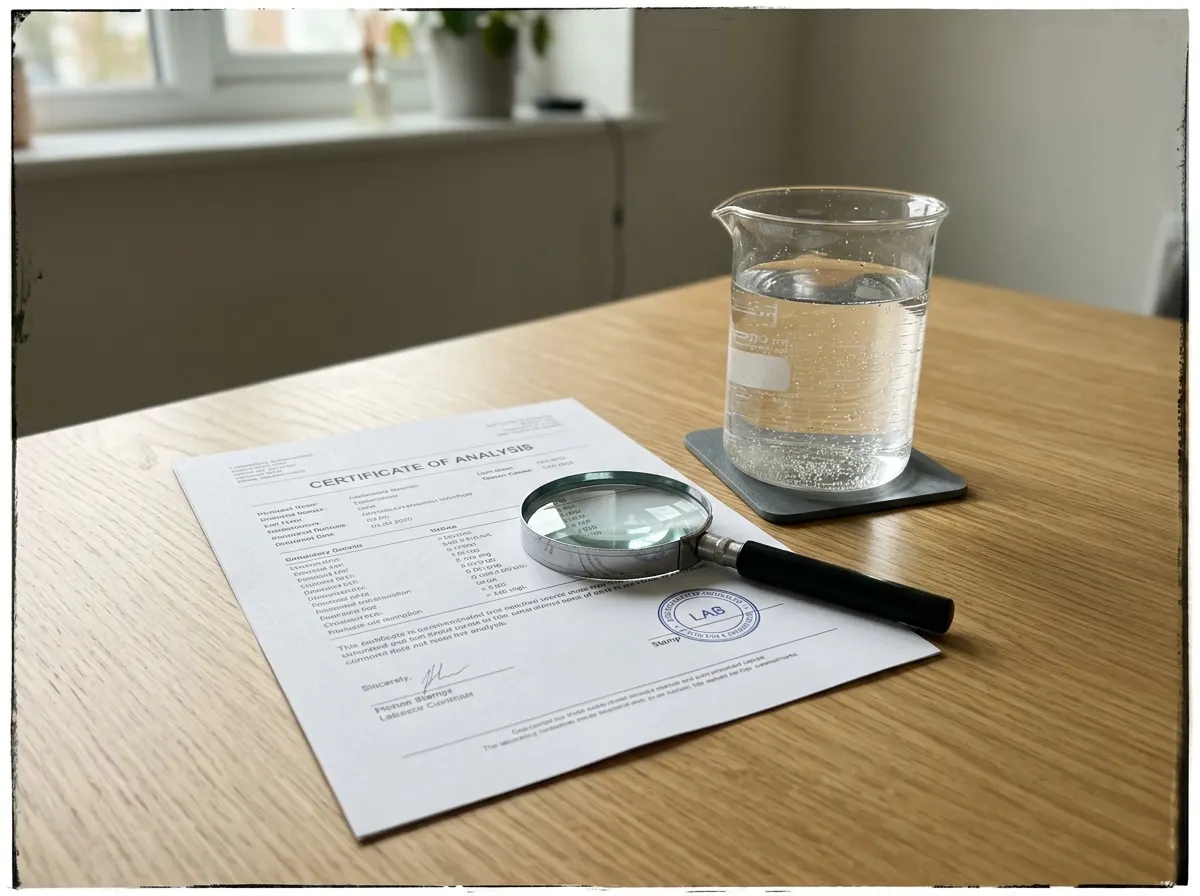
Hydrogen water is emerging science, not settled fact. Molecular hydrogen shows up in early research protocols for antioxidant support. Nobody credible promises miracles. What separates real from gimmick is independent lab certification — proof from outside testers that the bottle delivers the dose it claims, so you’re evaluating evidence instead of vibes.
Meet the Hydrogen Water Bottle
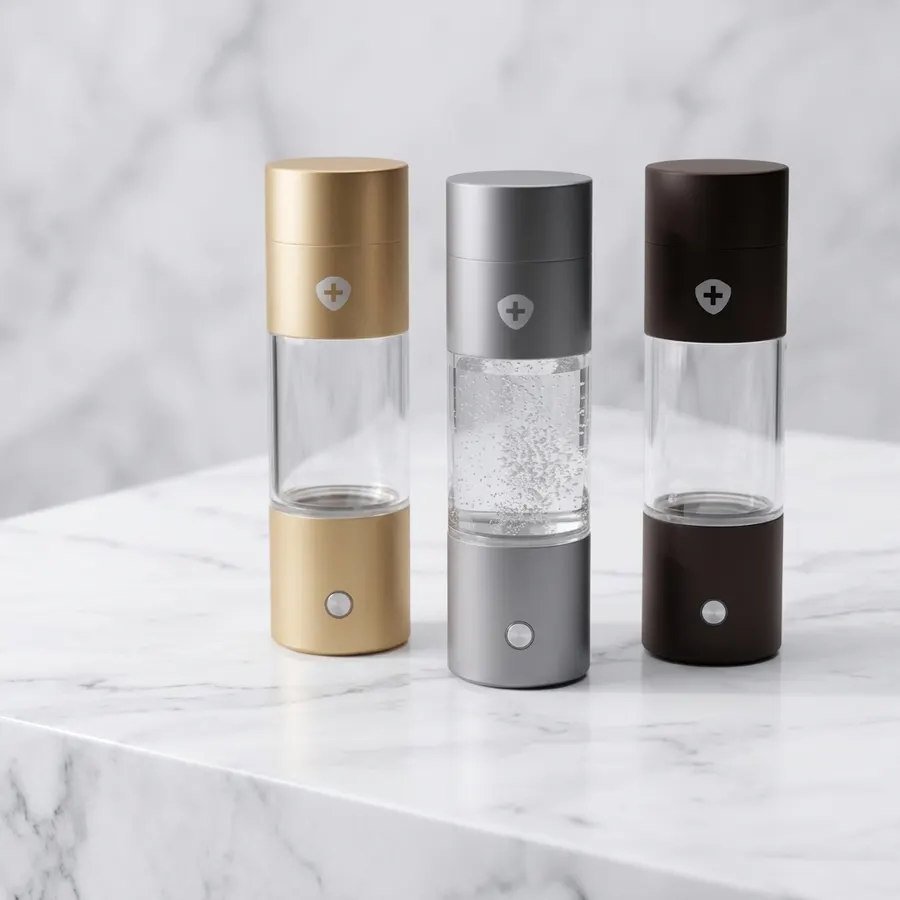
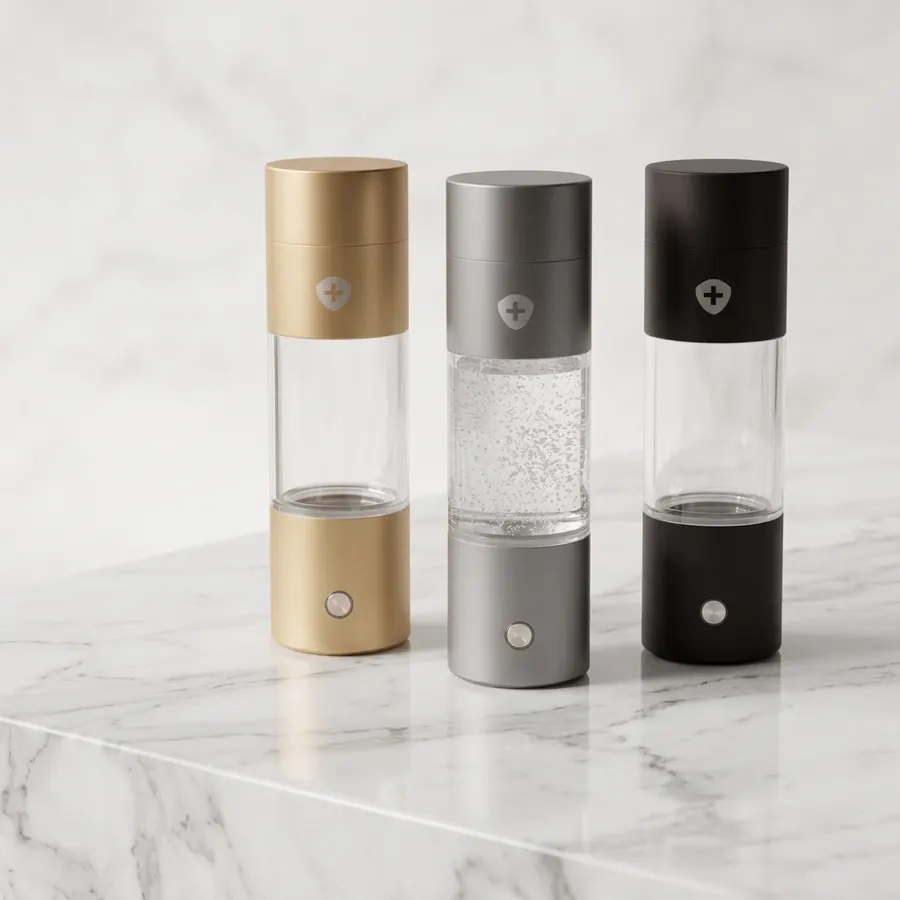 Everything the last seven points argued for lives in one 350ml bottle.
It delivers a 0.96 mg dissolved hydrogen dose per 10-minute cycle — well past the 0.2–0.5 mg from entry-level bottles. The platinum-coated titanium electrodes and DuPont Proton Exchange Membrane mean no metal leaching. It separates and vents ozone and chlorine instead of leaving them in your water.
It runs about 15 cycles per full USB-C charge, fits in any bag, and is independently certified by H2 Analytics — so the dose is verified.
Built on hydrogen technology dating back to 2000 and now Australia’s #1 hydrogen water bottle, it checks every box the category should have set from the start.
Claim Your Hydrogen Water Bottle
What are people saying about Hydrogen Water Bottle?
The reported wins skew toward the everyday stuff — a clearer head, feeling genuinely more hydrated, less of that afternoon drag. Here’s what daily users noticed once they were actually getting a full dose.
Testimonials reflect individual experiences. Results vary.
Get Started Today
Questions people ask before their first bottle
The most common questions we hear: is the science real, why does it cost more than budget bottles, and will it fit into your daily routine? Straight answers below.